

Diabetic Eye Exams in Anchorage

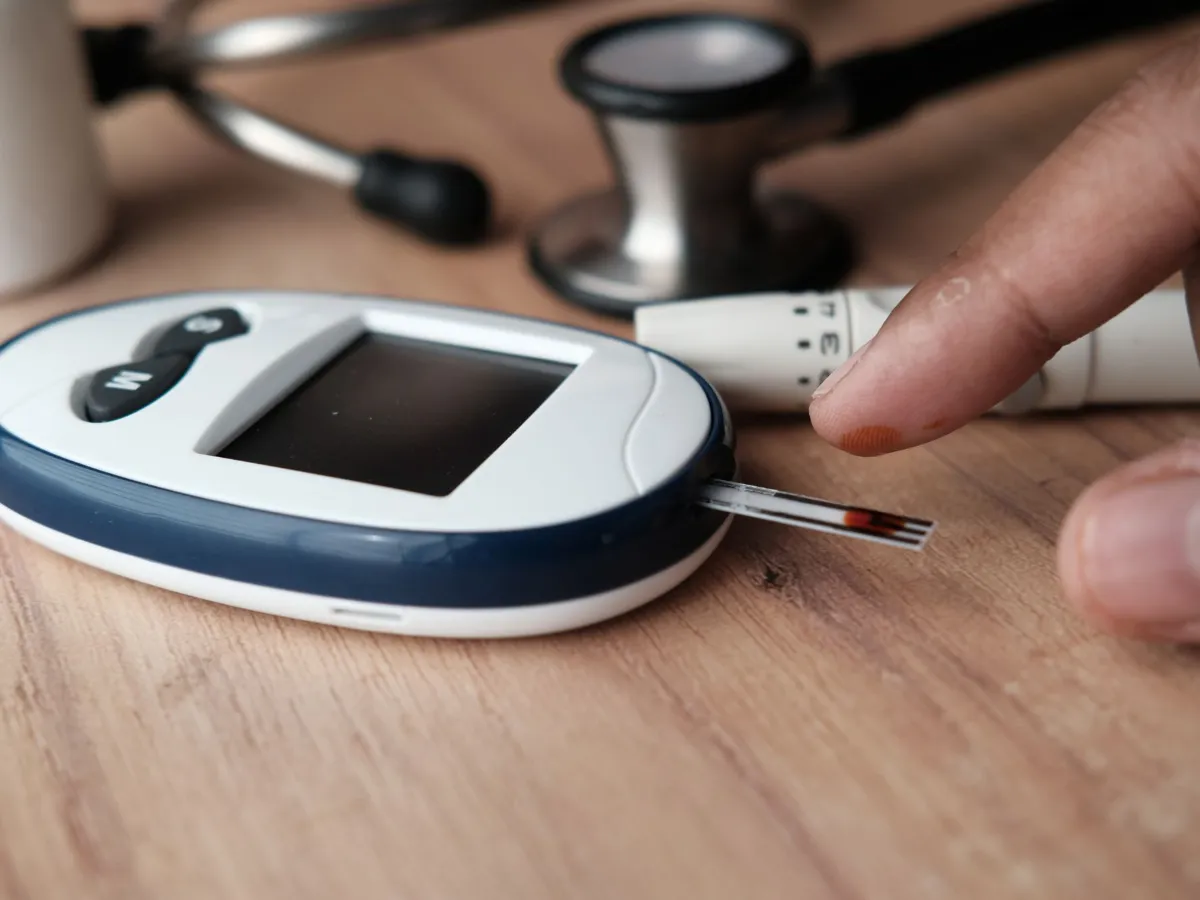
Blood glucose meter used to check blood sugar

A Yearly Exam That Protects Your Sight

Diabetes can damage the small blood vessels in the back of your eye long before your vision changes. A yearly dilated eye exam is the best way to catch problems early, when treatment works best. Dr. Jacquelyn Lamigo and Dr. Christie Stemmle provide diabetic eye exams at our Anchorage office and explain exactly what they see.

How often do people with diabetes need an eye exam?

Usually once a year. The American Diabetes Association recommends regular dilated eye exams for people with diabetes, and more frequent visits if diabetic eye disease is found. At Southside Eyecare & Optical in Anchorage, Dr. Lamigo and Dr. Stemmle perform diabetic eye exams with Optos retinal imaging and OCT.

Imaging That Shows Changes Early

We use Optos retinal imaging to capture a wide view of your retina, and OCT to look closely at the macula, where swelling from diabetes can blur your central vision. Keeping these images on file lets us compare them year to year and spot small changes.

What Happens During a Diabetic Eye Exam

A diabetic eye exam includes:

- A vision check at different distances

- Eye pressure measurement to screen for glaucoma, which is more common in people with diabetes

- Dilating drops so the doctor can examine the retina and its blood vessels with a special lens and light

- Fundus photography and Optos retinal imaging to document your retina and track changes over time

- OCT imaging, which shows cross sections of the retina and its thickness in detail

The dilating drops make your eyes sensitive to light and blur close-up vision for a few hours. Bring sunglasses, and you may want someone to drive you home.

What Is Diabetic Retinopathy?

Over time, high blood sugar can weaken the tiny blood vessels in the retina. In the early stage, called non-proliferative retinopathy, these vessels can leak or swell. In the advanced stage, called proliferative retinopathy, the eye grows fragile new vessels that can bleed and cause serious vision loss.

Diabetic macular edema happens when fluid leaks into the macula, the center of the retina, and blurs your central vision. It can happen at any stage.

Why a Yearly Exam Matters

Diabetic retinopathy is a leading cause of blindness in working-age adults, and it usually has no symptoms early on. Your vision can feel completely normal while damage is starting.

Finding it early gives you the most options. Good control of blood sugar, blood pressure, and cholesterol helps, and if treatment is needed we refer you to a retina specialist. Diabetes also raises the risk of cataracts and glaucoma, which we check for at the same visit.

Diabetic Eye Exam Questions

My vision seems fine. Do I still need a diabetic eye exam?

Yes. Diabetic retinopathy often has no early symptoms. The exam can find damage before you notice any change in your vision.

Does a diabetic eye exam hurt?

No. The dilating drops may sting for a moment, and your eyes will be light sensitive and a bit blurry up close for a few hours afterward.

Does Medicare cover diabetic eye exams?

Medicare Part B generally covers a yearly eye exam for diabetic retinopathy for people with diabetes. We also accept Medicaid and most medical plans. Our front desk can check your coverage before your visit.

Schedule Your Diabetic Eye Exam

Call 907-561-1167 or request an appointment online.